The Rupee Just Broke Past 95 to the Dollar. Here's Why.
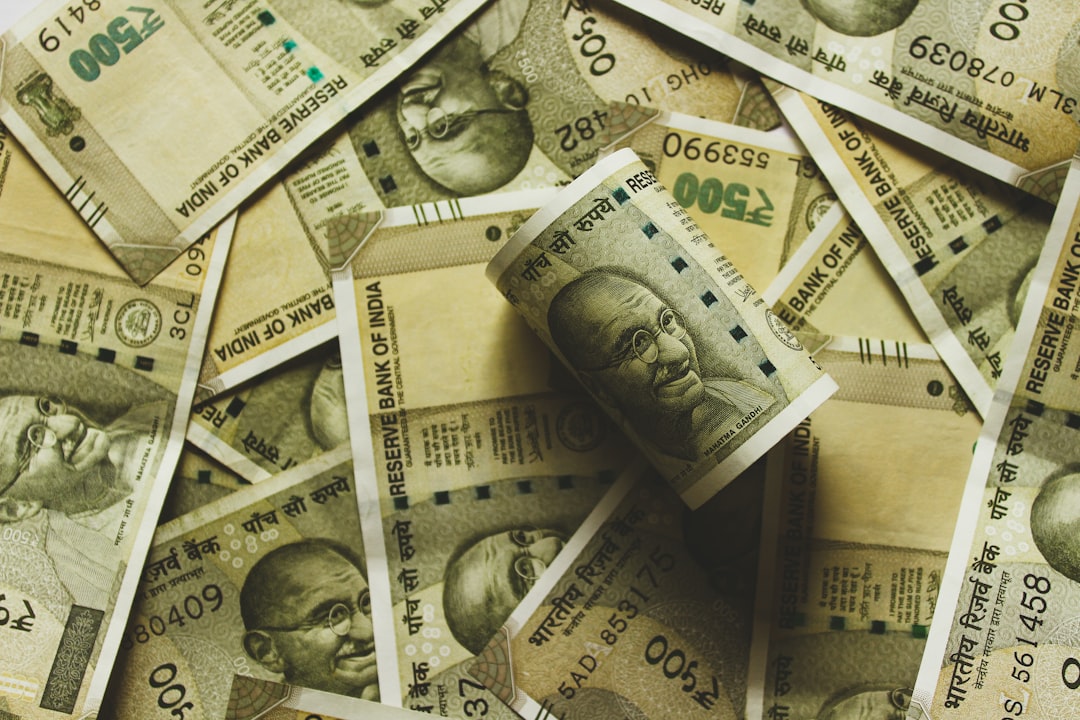
The rupee broke through 95 to the dollar on September 9, touched an intraday low of 95.23, and has kept sliding since. As of today it is trading at 95.51, one of the weakest levels it has ever touched. The Reserve Bank of India has been in the market most days this week selling dollars to slow the fall, and it has not stopped it. If you have booked a flight abroad recently, paid a semester’s tuition in dollars, or just filled your tank, you have already felt this without necessarily knowing why it is happening now.
What is actually pushing the rupee down
The immediate trigger is crude. Brent has been trading above $100 a barrel this month, driven up by tensions in West Asia, and India imports roughly 85 percent of the oil it uses. Every barrel is paid for in dollars, so when crude gets more expensive, Indian oil companies and refiners need more dollars to buy the same amount of fuel. That demand shows up directly in the currency market as pressure on the rupee, independent of anything else happening in the economy.
Layered on top of that is a broader bout of risk aversion and dollar outflows from Indian markets. What is notable, and worth being precise about, is that traders and analysts covering this move have described it as driven more by oil-linked importer demand than by foreign investors pulling money out of India wholesale. That distinction matters. A rupee weakened by importers scrambling for dollars to pay oil bills is a different, more contained problem than one driven by a broader loss of confidence in Indian assets, even though both look identical on a price chart.
What the RBI is doing, and what it is not
The RBI does not defend a fixed line for the rupee, and it never has, at least not openly. What it has been doing this week is selling dollars in the spot market to slow the pace of the decline, alongside near-maturity dollar-rupee sell-buy swaps timed for September and October, which is a way of absorbing the extra rupee liquidity that dollar sales would otherwise leave sloshing around the banking system.
Traders watching this closely have described the scale of intervention as measured rather than aggressive, which is the RBI’s usual posture. The central bank’s actual goal in weeks like this one is not to hold the rupee at any particular number. It is to stop the move from happening so fast that it spooks importers, exporters and foreign investors into overreacting, which can turn an orderly depreciation into a disorderly one. A currency that falls two rupees over a month is a manageable story. The same fall over two days is a different kind of problem, and that is the scenario the RBI is trying to avoid, not a specific line on a chart.
Who this actually helps and hurts
A weaker rupee is not uniformly bad news, even though it is usually reported that way. It is genuinely good for Indian IT and pharmaceutical exporters, whose revenue is largely dollar-denominated and whose costs are mostly in rupees, so every fall in the exchange rate adds directly to their margins without them doing anything differently. It is also good news, in a narrow sense, for the roughly 32 million Indians living abroad who send money home, since each dollar remitted converts into more rupees than it did a month ago.
The costs land on a different, larger group. Oil is the biggest one: a weaker rupee makes an already expensive barrel of crude more expensive still in rupee terms, which is one of the reasons Indian oil marketing companies are currently absorbing losses on petrol and diesel rather than raising pump prices, a dynamic covered in more detail here. Anything else priced in dollars gets more expensive too: imported electronics, foreign education, overseas travel, and any raw material India buys internationally rather than produces at home. For a country that imports as much energy as India does, a weak rupee and expensive crude arriving at the same time is close to the worst combination for the government’s import bill and, eventually, for retail inflation.
What would change this
The rupee’s fate over the next few weeks is tied more closely to Brent crude than to anything happening in Indian markets specifically. If crude cools back toward $90, the pressure on importers eases and the rupee has room to stabilize even without further RBI action. If crude stays above $100 into October, expect the RBI to keep intervening in the same measured way it has this week, not because it is running out of options but because a heavier hand risks burning through reserves faster than the situation calls for.
The other variable is the US Federal Reserve. A weaker dollar globally, which would follow from a Fed rate cut or a softer run of American economic data, takes pressure off every emerging market currency at once, the rupee included, regardless of what is happening with oil. Until one of those two things moves, 95 is likely to be a floor the rupee tests again rather than a level it decisively breaks below. IndiaRealTime’s live INR to USD tracker updates through the day if you want to see where it stands right now.
Sources

Want more like this?
Explore India Real Time →