Brent Crude Crossed $100 Again. Why Hasn't Petrol Moved?
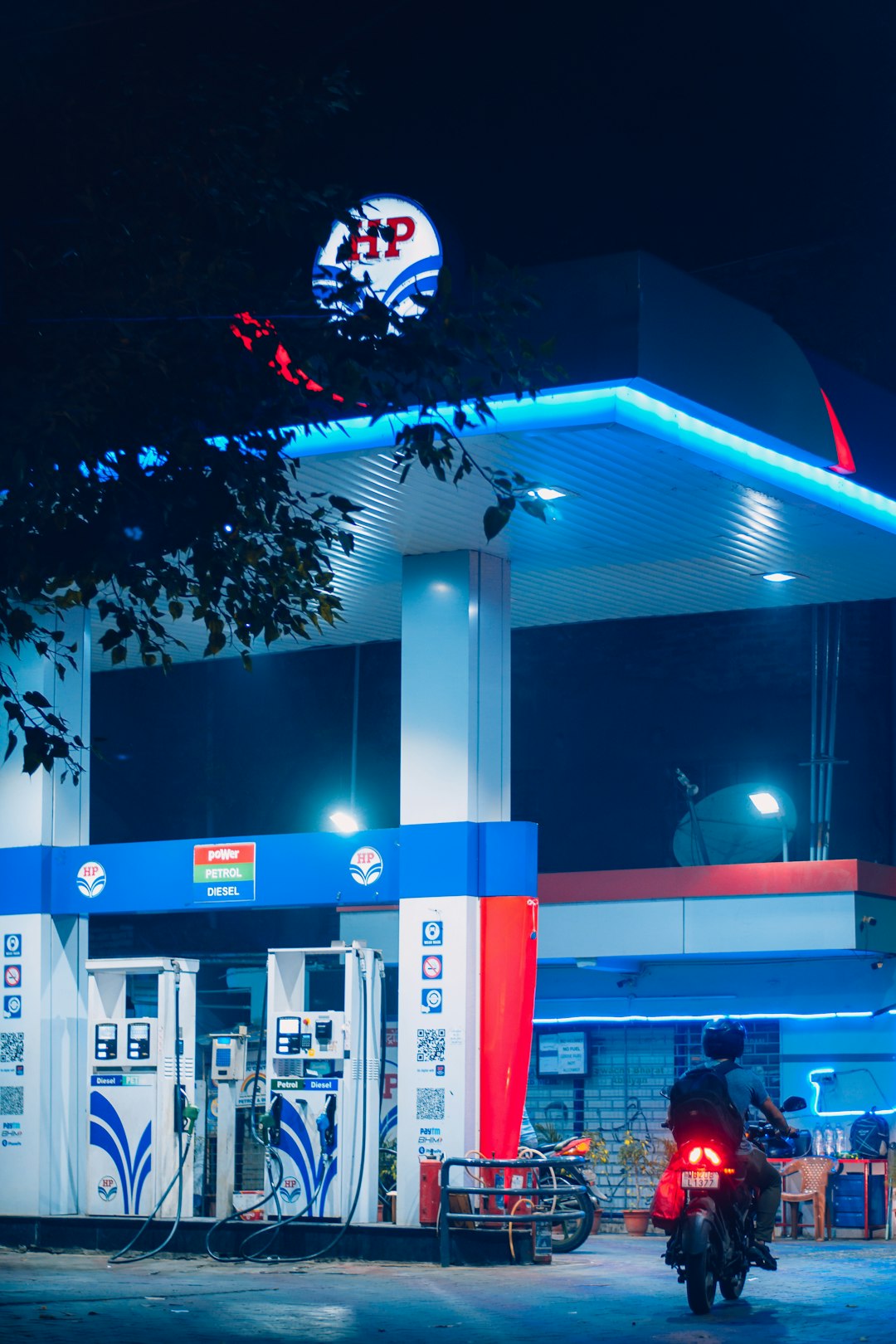
Brent crude went back above $100 a barrel this month, a level it had not touched in a while, and for a few days it looked like the kind of move that shows up at the pump within a week. It has not. Petrol in Delhi is still ₹102.12 a litre, exactly where it was sitting before crude started climbing. Diesel has not moved either. If you have been waiting for a price board to change, you can stop watching it for now, but the reasons why are worth understanding, because they say more about how fuel pricing actually works in India than any explainer about crude benchmarks.
What actually changed this month
Two things happened almost at once. Crude climbed, with Brent trading in the $104 to $109 range through the second week of September, and the government quietly adjusted the tax structure around fuel exports and domestic crude on September 2. It cut the special additional excise duty on domestically produced crude to ₹6,700 a tonne, raised the export duty on diesel to ₹6 a litre from ₹5.50, and doubled the export duty on aviation turbine fuel to ₹4 a litre.
None of that touches what you pay at the pump directly. These are levies on refiners selling fuel abroad and on crude producers, not on the petrol and diesel sold domestically. But the timing is not a coincidence. When crude rises and refiners can earn more by exporting diesel than by selling it in India, the government has a standing incentive to tax that export margin, partly to discourage refiners from starving the domestic market and partly to claw back some revenue. It is a lever the government pulls to manage the market from the supply side while leaving retail prices where they are.
Who is actually absorbing the cost
Petrol and diesel pricing in India has technically been deregulated since 2010 and 2014, which in theory means the three big state oil marketing companies, Indian Oil, Bharat Petroleum and Hindustan Petroleum, are free to revise prices daily based on international rates and the rupee’s exchange rate. They still do, at least on paper. IndiaRealTime’s own fuel tracker, like every other price feed in the country, pulls from a mechanism built around a 6 AM daily revision.
In practice, the OMCs have held retail prices flat through this crude spike, and industry estimates put their current under-recovery at roughly ₹5 a litre on petrol and ₹23 a litre on diesel, meaning they are selling below what the landed cost plus their usual margin would justify. This is not new. It is the same pattern that played out repeatedly through 2022 and after: state-run OMCs absorb short-term losses on the way up rather than pass them through immediately, then claw the margin back once crude eases or once a price revision becomes politically easier to justify. A national oil company with government ownership has more room to eat a quarter or two of thin margins than a private retailer would.
The gap between states tells its own story
What has not stayed flat is the difference between states, and this is where a live tracker is more useful than any national headline number. As of today, petrol in Delhi is ₹102.12 a litre. In Karnataka it is ₹110.82. In Maharashtra it is ₹111.21. In Rajasthan it is ₹113.19, and in West Bengal it is ₹113.51, roughly eleven rupees higher than Delhi for the identical product.
None of that gap comes from the crude price, which is the same input for every OMC refinery in the country. It comes almost entirely from state VAT, which each state government sets independently and which behaves as a percentage of price rather than a flat amount, so a state with a higher VAT rate also compounds any increase in the base price more than a state with a lower one. This is also why a nationwide crude spike does not widen or narrow the gap between states in any predictable direction. It just gets added on top of whatever gap already existed. For the full breakdown of how that base price, VAT and dealer commission stack together, IndiaRealTime’s guide to how petrol and diesel prices are set covers the mechanics in more depth. The point here is narrower: right now, where you live matters more to your fuel bill than what Brent is doing.
What would actually move the pump price
A single week of expensive crude rarely forces a retail price change in India, because OMCs work off a rolling average of international rates rather than the spot price on any given day, and because a government heading into any politically sensitive period has little appetite for a fuel price hike that shows up in every household’s budget within days. What tends to force a change is crude staying elevated for a sustained stretch, long enough that the rolling average itself moves and the OMCs’ accumulated under-recovery becomes too large to keep absorbing quietly.
The September 2 duty changes are a small early sign of that pressure building on the supply side rather than the retail side. If Brent holds above $100 into October, the more likely next move is another adjustment to excise duty or export levies, the same tool the government just used, rather than a sudden jump on the price board. That has been the pattern for most of the past three years: the government would rather manage its own tax take than let voters watch the number change.
For now, the honest answer to “why hasn’t my petrol price gone up” is that it is being absorbed a few rupees at a time by companies that can afford to wait, in a system built to keep that decision out of daily headlines for as long as possible. Whether that holds through the rest of the year depends less on any one crude price move than on how long this one lasts. IndiaRealTime tracks petrol and diesel prices for all 34 states and union territories daily, so any change, whenever it comes, will show up there first.
Sources

Want more like this?
Explore Fuel & Energy →