PSU Banks to Open on a Sunday Ahead of a 3-Day Nationwide Strike
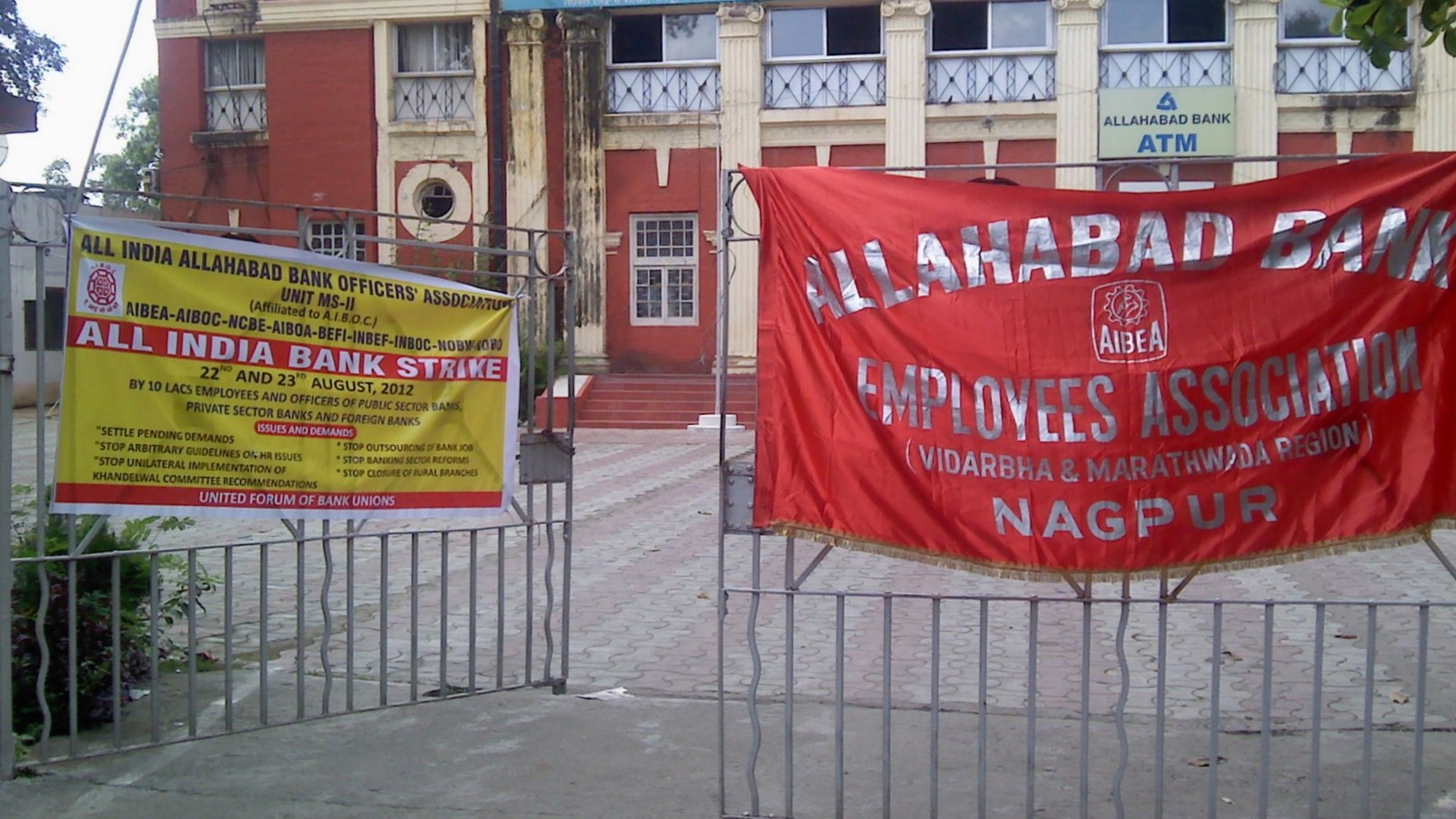
Public sector banks and regional rural banks will open as usual on Sunday, September 27, after the Reserve Bank of India approved the move to head off what would otherwise be five straight days without a working bank branch. September 26 is the month’s fourth Saturday, a standing bank holiday, and September 27 is the weekly Sunday closure. Layered onto that, the United Forum of Bank Unions (UFBU) is going ahead with a three-day nationwide strike from September 28 to 30. The government’s fix only patches one of those five days, and the strike itself is the second step in an escalation that already has a third, more drastic step scheduled.
What’s Actually Closed, Day by Day
| Date | Day | Branch status |
|---|---|---|
| September 26 | Saturday (4th) | Closed, standing monthly holiday |
| September 27 | Sunday | Open, by special RBI/Finance Ministry order |
| September 28 | Monday | Closed, UFBU strike |
| September 29 | Tuesday | Closed, UFBU strike |
| September 30 | Wednesday | Closed, UFBU strike |
Without the Sunday order, that run of dates would have meant a public sector bank branch stayed shut from September 26 through September 30, five consecutive days. The order covers public sector banks and regional rural banks specifically; reports on the announcement do not mention private banks being brought into the same directive, and UFBU itself is primarily a public sector bank body, so private bank branches are not expected to be affected by the strike in the same way.
Why the Unions Are Striking
UFBU is an umbrella of seven bank employee and officer unions (AIBEA, AIBOC, NCBE, AIBOA, BEFI, INBOC and INBEF), down from nine after two constituents, NOBW and NOBO, formally exited on August 6, 2026. It says it represents over 90 percent of India’s banking workforce across public, private, foreign, regional rural and cooperative banks. The strike rests on two demands. The first is a five-day banking week, which unions say was already agreed in principle in the wage settlement and joint note signed on March 8, 2024, but has not been implemented more than two years on. The second is the withdrawal of the government’s Performance Linked Incentive (PLI) scheme for officers, which the unions have called unilateral and discriminatory.
The five-day push has a longer history than this single dispute. Banks already moved partway there in 2015, when the second and fourth Saturdays became standing holidays, a step the unions describe as an in-principle commitment to go further that was never completed.
This Is Step Two of Three
| Step | Date | Action |
|---|---|---|
| 1 | September 11, 2026 | One-day all-India strike |
| 2 | September 28-30, 2026 | Three-day nationwide strike |
| 3 (conditional) | From October 26, 2026 | Indefinite nationwide strike, if unresolved |
The government has made a partial move: it has kept the PLI scheme in abeyance for Scale IV officers and above pending further talks, addressing one of the two demands. The five-day week remains, in the unions’ word, only “under consideration.” As of September 22, UFBU said it had received no positive response from the Indian Banks’ Association or the Department of Financial Services and confirmed it was going ahead with the three-day strike. The Finance Ministry had separately urged unions to defer the action, citing its overlap with banks’ half-yearly closing of accounts on September 30, a routine but heavy back-office exercise. That appeal did not change the union’s plans.
What Still Works
A branch strike is not the same as a payments-system strike. Reports on the September 28-30 action describe digital channels, UPI, mobile banking and internet banking, as generally expected to keep working, since those run on core banking infrastructure rather than branch staffing. That lines up with what IndiaRealTime found reporting on this month’s GSTR-3B Sunday deadline: NEFT and RTGS have run 24×7, including weekends, since December 2019 and August 2021 respectively. What a branch strike actually blocks is the over-the-counter work that has to happen at a counter: cash deposits and withdrawals past ATM limits, cheque clearing, locker access, and any paperwork that needs a branch officer’s signature.
Some banks have already issued customer advisories ahead of the strike, telling account holders to finish branch-dependent errands before September 26. Anyone with a cheque to deposit, a fixed deposit to renew in person, or cash to move above what an ATM or UPI transfer can handle has a narrow window, Thursday and Friday this week, or the special Sunday opening, to do it at a counter.
For readers holding cash they’d rather not leave idle over a branch-dependent gap, IndiaRealTime’s fixed deposit rate tracker and mutual funds section are a starting point for comparing options that don’t need a branch visit. And since the closures stack differently in every state depending on local holidays, IndiaRealTime’s bank holidays calendar is worth checking before assuming any specific branch is open on a given day.
Elsewhere in how money actually moves in India this week: Andhra Pradesh is shifting part of its NTR Bharosa pension payments to direct bank transfer from October 1, a reminder that even routine government payments now run through the same banking rails this strike is fighting over.
FAQs
Why are banks open on Sunday, September 27?
The RBI and Finance Ministry ordered public sector banks and regional rural banks to open that day so customers aren’t shut out for five straight days, since it falls between a standing Saturday holiday and a three-day strike.
Which banks are actually affected by the strike?
Public sector banks and regional rural banks, where UFBU’s member unions are concentrated. Reports on the government’s order don’t mention private banks, and private bank branches are not expected to see the same disruption.
Will UPI and net banking work during the strike?
Yes, digital banking channels are expected to keep working since they don’t depend on branch staffing. What’s affected is counter-based work like cash deposits, cheque clearing and locker access.
What do the unions actually want?
A five-day banking week, which they say was agreed in principle in a March 2024 settlement but not implemented, and withdrawal of the government’s Performance Linked Incentive scheme for officers.
Has the government responded to either demand?
It has kept the PLI scheme in abeyance for Scale IV officers and above pending talks. The five-day week remains under consideration, with no implementation date given.
What happens if this isn’t resolved?
UFBU has warned of an indefinite nationwide strike starting October 26, 2026, as the third step after the September 11 one-day strike and this September 28-30 action.
Sources
- India.com: Banks to remain open on Sunday, September 27, RBI announcement ahead of 3-day strike
- BankersAdda: Bank Strike September 2026, public sector banks and RRBs to remain open on September 27
- Business Today: No positive response on 5-day banking, bank unions to go ahead with 3-day strike
- UNI Global Union: Indian banking unions renew strike call for a five-day work week
- ANI: Bank unions stage nationwide strike over 5-day work week, warn of indefinite strike from October 26
- The Tribune: Banks brace for 5-day disruption from September 26, SBI, Indian Bank issue advisories
Updated September 23, 2026.

Want more like this?
Explore India Real Time →