PM Kisan's 24th Installment Is Coming. Here's Who Qualifies.
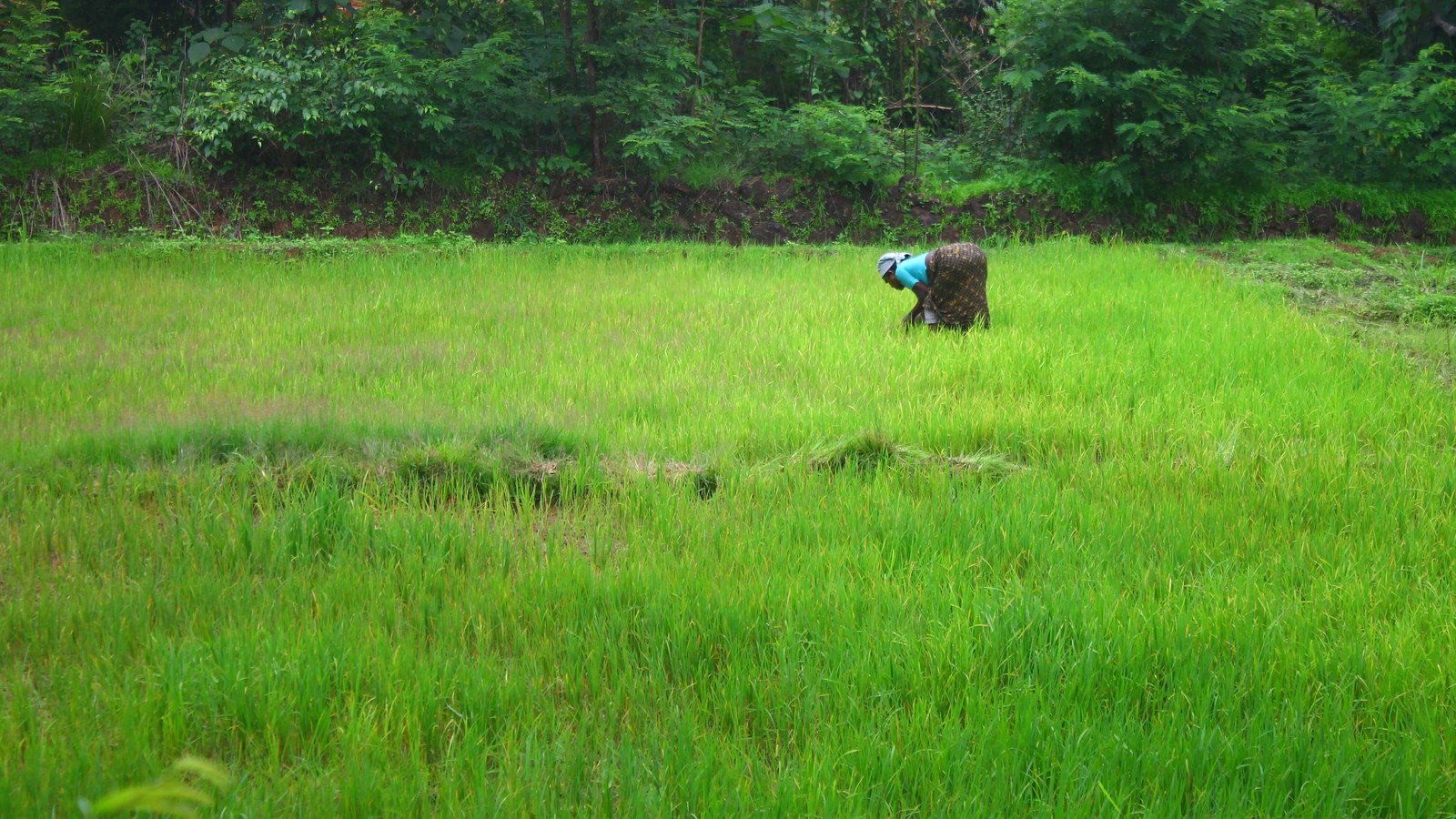
PM Kisan Samman Nidhi is trending in search because the scheme’s 24th installment is due around October, with no official date yet, right after the government locked in funding for the programme through 2030-31. Both facts sound like good news for farmers. But underneath the headline numbers sits a stricter set of rules than “every farmer gets paid,” and a persistent gap in who the money actually reaches. Roughly three in four beneficiaries are men, not because women farm less, but because of how the scheme is built.
How the Rs 6,000 a Year Actually Arrives
Eligible landholding farmer families receive Rs 6,000 a year, split into three equal instalments of Rs 2,000 each, paid roughly every four months by direct benefit transfer straight into a bank account. There’s no separate application for each instalment; once a farmer family is registered and verified, payments are meant to arrive automatically on the government’s own schedule.
The Instalment Calendar So Far
| Instalment | Released | Farmers paid | Amount |
|---|---|---|---|
| 21st | November 19, 2025 | — | — |
| 22nd | March 13, 2026 | 9.32 crore | Rs 18,640 crore |
| 23rd | June 20, 2026 | 9.49 crore | Rs 18,984 crore |
| 24th | Expected October 2026 (unofficial) | — | — |
The gap between instalments has run close to four months each time, which is where the October estimate for the 24th instalment comes from, roughly four months after the 23rd. As of this week, the Ministry of Agriculture and Farmers Welfare had not announced an official date; farmers checking their status are, for now, relying on that pattern rather than a confirmed release.
Why Payments Actually Get Stuck
Most instalment delays that individual farmers run into aren’t about the scheme’s overall budget, they’re paperwork. Three things have to be current for a payment to go through: e-KYC verification, a bank account seeded with Aadhaar, and land records that match the farmer’s registered details. Any one of these falling out of date is enough to hold up a payment even when a farmer is genuinely eligible, which is why officials keep repeating the same advice before every instalment window rather than a new one each time.
Who’s Actually Excluded
PM-KISAN isn’t means-tested by income directly, but it excludes several categories regardless of how much land a family farms: anyone who paid income tax in the prior assessment year, serving or retired employees of central or state government, PSUs and autonomous bodies (Group D and multitasking staff are still eligible), professionals registered with bodies like medical, engineering, legal or chartered accountancy councils, anyone drawing a monthly pension of Rs 10,000 or more, and current or former ministers, MPs, MLAs and mayors. The scheme is built around landholding farmer families first, then narrowed by these exclusions.
The Gender Gap Behind the Scheme
Roughly one in four PM-KISAN beneficiaries is a woman, even though women do a substantial share of India’s actual field labour. The mechanism behind the gap isn’t the scheme’s rules directly, it’s what the scheme is built on top of: PM-KISAN pays the person whose name is on the land record, and agricultural land in India is overwhelmingly registered in men’s names. A woman doing the planting, weeding and harvesting on a family’s land often isn’t the one the payment reaches, because she isn’t the one listed as its owner.
That gap hasn’t stopped meaningful money from reaching women who are listed, cumulatively more than Rs 1.06 lakh crore has gone to women beneficiaries since the scheme began, but the underlying share stays lopsided because the eligibility test runs through land title, not through who does the work. Maharashtra passed a Women Farmers’ Empowerment Bill in July 2026 aimed specifically at this problem, recognising women as farmers regardless of whether land is in their name, though it’s a state law and doesn’t change PM-KISAN’s own land-record-based eligibility nationally.
What the Five-Year Extension Actually Changes
On July 31, 2026, the Cabinet approved continuing PM-KISAN from 2026-27 through 2030-31, with a total outlay of Rs 3.15 lakh crore for that five-year period. That’s a funding guarantee, not a raise, the Rs 2,000-per-instalment amount is unchanged, and the approval is about the scheme continuing to exist on its current terms rather than paying more per farmer. Government figures cited alongside the extension credit the scheme with real, if hard-to-isolate, effects: more than 92 percent of beneficiaries surveyed reported using the money for agricultural activity, about 85 percent reported higher farm income, and between 2020-21 and 2025-26 the area under cultivation grew 9.65 percent, productivity rose 10.53 percent, and total foodgrain production grew 21.18 percent nationally. Those national trends have many causes beyond one income-support scheme, but they’re the numbers the government is pointing to in defending the outlay.
For readers tracking what a farm income actually buys day to day, IndiaRealTime’s commodity prices tracker and mandi and agriculture coverage follow the crop-price side of the same household budget this scheme is meant to support, including how mandi prices are actually set day to day. And since a stuck instalment often comes down to an out-of-date bank account, IndiaRealTime’s bank holidays calendar is worth checking before assuming a branch is open to fix it, especially with public sector bank branches facing a five-day disruption this week.
FAQs
When will the 24th PM Kisan instalment arrive?
No official date has been announced. Based on the roughly four-month gap between recent instalments, October 2026 is the widely expected window, but it isn’t confirmed by the Ministry of Agriculture and Farmers Welfare.
How much does PM Kisan actually pay?
Rs 6,000 a year per eligible farmer family, paid in three instalments of Rs 2,000 each via direct benefit transfer.
Who is excluded from PM Kisan?
Income tax payers, government and PSU employees above Group D, registered professionals like doctors and lawyers, pensioners drawing Rs 10,000 or more a month, and current or former ministers, MPs, MLAs and mayors, regardless of landholding.
Why do so few women receive PM Kisan payments directly?
Because the scheme pays whoever is listed on the land record, and land in India is overwhelmingly registered in men’s names, not because of a rule that excludes women specifically.
Does the 2026 Cabinet approval increase the payment amount?
No. The July 31, 2026 approval funds the scheme’s continuation through 2030-31 at Rs 3.15 lakh crore total. The per-instalment amount of Rs 2,000 is unchanged.
Why do some eligible farmers not get paid on time?
Usually an out-of-date e-KYC verification, a bank account not seeded with Aadhaar, or a mismatch in land records, any of which can hold up an individual payment even when the farmer qualifies.
Sources
- PIB: Cabinet approves continuation of the PM-KISAN Scheme from 2026-27 to 2030-31 with a financial outlay of Rs 3.15 lakh crore
- News on AIR: PM Modi to release 22nd instalment of PM-KISAN Samman Nidhi in Guwahati
- News on AIR: PM Modi to release 21st PM-KISAN installment on November 19
- LatestLY: PM Kisan Yojana 24th installment, why the Rs 2,000 payout could arrive in October 2026
- Civilsdaily: Government talks big on gender budget, delivers little
- Wikipedia: Pradhan Mantri Kisan Samman Nidhi
- Upstox: PM-KISAN eligibility criteria 2026, a complete guide
Updated September 23, 2026.

Want more like this?
Explore India Real Time →