Why a 2016 Government Retiree Gets Half a 2026 Retiree's Pension
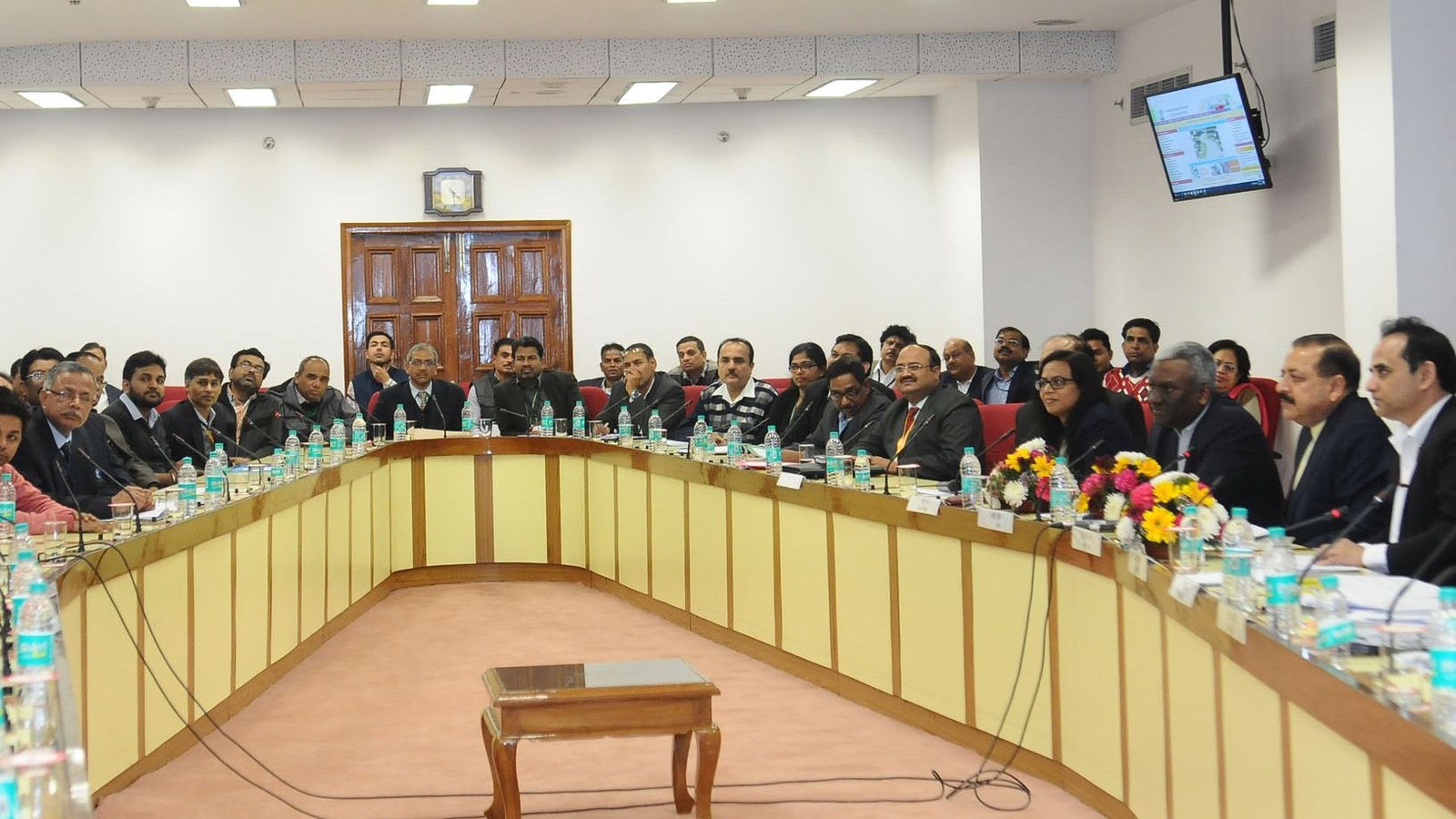
Employee and pensioner bodies have formally asked the 8th Pay Commission to extend One Rank One Pension, the parity rule that already applies to armed forces veterans, to all civilian central government staff, so two people who retired from the same post years apart stop drawing very different pensions. The Confederation-aligned unions submitting this demand include the All India Defence Employees’ Federation and the All India New Pension Scheme Employees’ Federation, alongside pensioner groups like the Bharat Pensioners Samaj, which represents close to a million pensioners on its own.
The Actual Disparity, With Real Numbers
One widely cited example in this week’s coverage lays out the gap concretely. A Level 6 employee who retired in 2016 draws a basic pension of Rs 24,500, which works out to roughly Rs 38,710 a month once dearness relief is added at the rate used in that example. A Level 6 employee retiring now, in 2026, would be fixed under whatever pay structure the 8th Pay Commission eventually sets; using one fitment factor unions have proposed, 3.833, that same post could work out to around Rs 93,900 a month. That specific 3.833 figure is a union ask, not an official number, the commission’s own likely range is considerably lower, but the underlying point survives the uncertainty: identical post, identical years of service, a pension that can differ by a factor of two or more depending only on which year someone happened to retire in.
What One Rank One Pension Already Means for the Armed Forces
OROP already exists, just not for most civilian employees. Armed forces pensioners of the same rank and the same length of service receive the same pension as each other, with periodic revision to keep that parity intact as pay scales change, regardless of which year they actually retired. Outside the military, that principle currently reaches only a narrow band of civilian roles, including retired judges and CAG officials. Everyone else’s pension stays effectively anchored to the pay scale in force on their specific retirement date, adjusted only by the dearness relief that applies from then on, not by later pay commission revisions to the post itself.
The Fix Unions Are Actually Proposing
AIDEF’s proposal is built around what it calls notional pay fixation. Instead of freezing a pensioner’s calculation at the pay scale that applied when they left service, the formula would recompute their pension as if their old post had continued to exist and receive every subsequent revision: the pay matrix changes from later pay commissions, increments and promotions that would ordinarily have been earned, and any formal upgrading of that post or level since. The resulting standard civilian pension would then be set at 50 percent of that recalculated, notional pensionable pay, with existing minimum pension floors still applying underneath it.
Where This Actually Stands
This is one of several demands unions have submitted during the 8th Pay Commission’s ongoing stakeholder consultations, which have already toured Jaipur, Chennai, Puducherry and Chandigarh, with Bengaluru and Mumbai still to come in October. The commission, chaired by Justice Ranjana Prakash Desai, is working to an 18-month charter that puts its final report around May 2027, though interim recommendations could surface between February and April that year. Total pension expenditure across all central government pensioners, armed forces included, already runs to roughly Rs 2.65 lakh crore under the 2025-26 Union Budget, a figure that gives some sense of scale for what extending OROP-style parity more broadly would actually cost, without saying anything about whether the commission will recommend it.
This sits alongside another live pay-related question for the same workforce: unions separately pushing for July’s Dearness Allowance revision to be announced before Diwali, a related but mechanically different issue, DA tracks inflation year to year, while OROP parity is about how pensions get frozen or not at the point of retirement. For a recent change to how central government pay actually reaches accounts, IndiaRealTime covered why September salaries landed three days early this year. Readers weighing where a pension or arrears payment might sit in the meantime can start with IndiaRealTime’s fixed deposit rate tracker and mutual funds section.
FAQs
What is One Rank One Pension?
A rule ensuring pensioners of the same rank and years of service get the same pension regardless of retirement year, with periodic revision. It currently applies to armed forces veterans and a narrow set of other roles, not most civilian government employees.
Who is asking for it to be extended to civilian staff?
The All India Defence Employees’ Federation, the All India New Pension Scheme Employees’ Federation, the Bharat Pensioners Samaj, and other unions, as part of submissions to the 8th Pay Commission’s ongoing consultations.
How big is the pension gap this is meant to fix?
In one widely cited example, a Level 6 employee who retired in 2016 draws about Rs 38,710 a month, versus a hypothetical Rs 93,900 for the same post today under one union-proposed fitment factor, though that 2026 figure isn’t an official projection.
What is notional pay fixation?
A method that recalculates a retiree’s pension as though their old post had received every subsequent pay revision, increment and promotion, rather than freezing it at their actual retirement-date pay scale.
When will the 8th Pay Commission decide on this?
No timeline has been set for this specific demand. The commission’s overall report is due around May 2027, with possible interim recommendations between February and April that year.
Sources
- Upstox: 8th Pay Commission, One Rank One Pension proposal for civilians explained
- LatestLY: 8th Pay Commission, why employee bodies are demanding One Rank One Pension for Level 1-18 staff
- PIB: Cabinet approves Terms of Reference of 8th Central Pay Commission
- Prime Minister of India: Cabinet approves Terms of Reference of 8th Central Pay Commission
Updated September 27, 2026.

Want more like this?
Explore India Real Time →