Diwali 2026: Real-Time Data on Air Quality, Gold & Markets
Every November, India pauses for Diwali—and the numbers tell a fascinating story.
This year, as November 8, 2026 approaches, something remarkable is happening across the country. Real-time data streams are capturing what millions of Indians already know but few quantify: Diwali creates unprecedented ripples across air quality, precious metals markets, stock exchanges, and consumer spending. It’s not just a festival; it’s an economic and environmental event of massive proportions.
If you’re a business analyst, investor, festival planner, or simply someone who wants to make informed decisions during the festive season, the data available today—tracked live across hundreds of cities—can transform how you approach Diwali. This isn’t about folklore or tradition anymore. It’s about real numbers, real-time feeds, and actionable insights.
Let’s dive into what the data reveals, and more importantly, how you can use it.
The Air Quality Crisis: Why Your City Gets Hazardous Every Diwali
Here’s the uncomfortable truth: Diwali season turns major Indian cities into pollution hotspots almost overnight.
The numbers are stark. In 2025, Delhi’s Air Quality Index (AQI) surged from 296 (pre-Diwali) to 353 (post-Diwali), crossing into the “severe” category within days. Source: Comparative Assessment of Air Quality Index (AQI) during Pre-Diwali, Diwali and Post-Diwali Periods of 2024-2025 in Delhi, India Meanwhile, Lucknow and Ahmedabad recorded even steeper spikes, both crossing 190 AQI during festivities—levels that make outdoor activities risky for most people.
Let’s put this in perspective: India’s average PM2.5 concentration in 2025 was 48.9 µg/m³, equivalent to an AQI of 134—classified as “unhealthy for sensitive groups.” This is nearly 9.78 times higher than the WHO’s annual guideline of 5 µg/m³. During Diwali, that number spikes further.
Why does this happen?
Firecrackers, yes—but that’s only part of the story. Diwali season coincides with stubble burning in North India, increased vehicular traffic during shopping season, and weather patterns that trap pollutants in the lower atmosphere. The cumulative effect is dramatic.
The good news? You don’t have to guess anymore. You can check live AQI data across 611+ Indian cities in real-time, from major metros to smaller towns. Real-time AQI trackers like IndiaRealTime update every hour, allowing you to plan outdoor events, adjust your commute, or schedule health-critical activities based on actual air quality—not forecasts.
City-specific insights:
- Delhi: Typically swings from moderate (AQI 101-200) in early October to severe (AQI 301+) by mid-November. Sensitive groups should limit outdoor exposure.
- Mumbai: Despite coastal winds, AQI often hits 150-200 during Diwali—moderate to unhealthy for sensitive groups.
- Bangalore: Relatively better, usually staying in 80-120 range, but notable spikes occur in commercial areas.
- Chennai: Generally maintains lower AQI (40-100), but pollution episodes during Diwali can push it to 120-150.
The practical takeaway? If you’re planning Diwali celebrations—whether corporate events, family gatherings, or outdoor shoots—check the real-time AQI before finalizing schedules. Indoor celebrations, air-filtered venues, and staggered outdoor activities based on hourly AQI data can significantly improve the experience for guests.
The Gold Rush: Why Investors Watch Every Rupee During Diwali
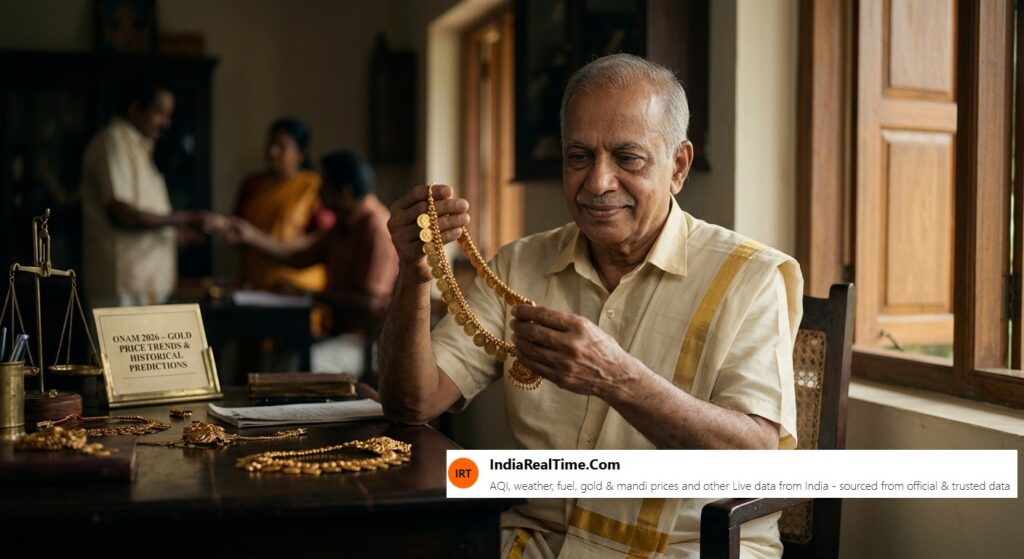
Ask any Indian family planning Diwali purchases, and gold dominates the conversation. But this year, the numbers show something even more interesting: Diwali 2026 is shaping up to be a record-breaking year for gold investment.
Here’s what the data reveals:
Gold hit all-time highs in early 2026. On March 2, 2026, 24K gold crossed ₹1,69,349 per 10 grams in several markets. Experts now forecast prices around ₹62,500 per ten grams specifically for Diwali 2026. Source: Gold Price History in India 2026: Trends, Historical Rates This isn’t random—it reflects a structural shift in how Indians buy gold.
The investment story is even more compelling: Investment demand led growth in Q1 2026, with volume up 54% year-over-year to 82 tonnes and value up 179% year-over-year, significantly outpacing traditional jewellery demand. Source: World Gold Council, Gold Demand Trends: India Focus Q1 2026 This means individual investors and financial planners are increasingly treating Diwali gold purchases as investment vehicles, not just cultural obligations.
Why does Diwali matter for gold prices?
Diwali is when Indian households make their largest discretionary gold purchases. When demand spikes, and supply is relatively constrained, prices climb. But 2026 is different—this surge reflects a combination of:
- Currency fluctuations: A weakening rupee pushes gold prices higher (since global gold is priced in dollars).
- Global market trends: International gold prices have climbed, cascading to Indian markets.
- Sophisticated buying behavior: Investors are no longer buying on impulse; they’re tracking prices, comparing purity, and timing purchases strategically.
Here’s a surprising insight: Q1 2026 was a record quarter for Indian gold ETFs, with net demand of 20 tonnes—driven entirely by strong investor participation amid elevated gold prices. This tells us that younger, tech-savvy Indians are increasingly shifting from physical gold to digital gold investments. The festive season is no longer just about bangles and chains; it’s about portfolio diversification.
How can you use this data? Track live gold prices on platforms like IndiaRealTime to identify buying windows. If you’re planning a gold purchase for Diwali, you now know:
- Check daily price trends: Is gold appreciating or correcting?
- Compare investment options: Physical gold vs. ETFs vs. digital gold
- Lock in decisions: Unlike jewellery purchases driven by sentiment, investment buys benefit from data-driven timing
Stock Market Volatility: The Muhurat Trading Effect
Diwali 2026 falls on Sunday, November 8. This matters for stock market investors because the NSE and BSE will conduct special Muhurat Trading sessions on November 8 itself—a short, symbolic trading window tied to Diwali Laxmi Pujan. Source: NSE Holidays 2026
Traditionally, Muhurat Trading is considered auspicious, and retail investors place symbolic buy orders to mark the start of the new Samvat year. But what does the data say about actual market performance during Diwali season?
The research is mixed. Recent studies on the “Diwali effect” show significant volatility in November, particularly around the festival. However, more recent analyses suggest that traditional seasonal patterns (like a consistent Diwali rally) are weakening. Source: Month-of-the-Year Effect: Empirical Evidence from Indian Stock Market
What the data reveals:
- Auto sector resilience: During Diwali trading, auto stocks often outperform because festival season boosts vehicle sales and dealership activity.
- IT sector caution: Technology stocks typically lag during Diwali periods, reflecting investor risk-aversion during volatile trading sessions.
- Overall volatility: October-November consistently shows 15-25% higher trading volumes compared to other months, indicating increased retail participation.
Key takeaway for traders: If you’re planning Diwali-season trades, don’t rely on historical “Diwali rally” patterns. Instead, monitor live Sensex and Nifty data to capture real-time volatility. The data shows that individual stock selection matters more than broad festival sentiment. Auto and FMCG stocks tied to festive demand tend to perform better than pure index plays.
Muhurat Trading on November 8 is meaningful symbolically—it marks the start of buying season. But algorithmically? The market moves on fundamentals, global trends, and momentum, not on ceremonial optimism.
The Consumer Spending Tsunami: E-Commerce Dominates the Diwali Economy
Here’s where the real Diwali story lives: consumer spending.
Indians are projected to spend over USD 68 billion this Diwali season, with the vast majority flowing through retail and e-commerce channels. Source: Diwali Festival of Lights: India’s Economic Boom This number alone dwarfs the GDP of many countries and showcases why Diwali matters economically.
But the distribution is fascinating:
E-commerce platforms capture 45% of Diwali retail, with Amazon and Flipkart leading. Combined online sales during October-November reach ₹1.2 lakh crores across platforms. Source: Diwali 2026 Retail Surge: E-commerce and Festival Shopping Strategies This represents a seismic shift: two decades ago, Diwali shopping meant visiting local markets and mall chains. Today, it means scrolling through apps.
Category breakdown reveals consumer priorities:
- Electronics and appliances lead with 30% of festival sales, driven by demand for smartphones, TVs, laptops, and home appliances.
- Fashion and apparel account for 25%, with festive wear and ethnic garments seeing exceptional demand.
- Home and kitchen products represent 20%, as families upgrade their homes before Diwali.
- Jewelry and gifts comprise the remaining 25%.
The quick commerce revolution is real. Quick commerce apps (think Blinkit, Instamart, Swiggy Instamart) recorded a 120% jump in Diwali orders, showing that fast delivery has become integral to festive shopping. Source: From Diyas to Digital: E-commerce Dominates Diwali Market When someone needs decorative items, gifts, or snacks hours before a Diwali gathering, they’re not heading to a store—they’re opening an app.
Consumer sentiment is bullish. Research from Amazon Ads showed that 62% of consumers surveyed plan to spend more this Diwali compared to last year. Source: Rising consumer confidence bodes well for Diwali advertisers This suggests disposable income is healthy, and confidence levels are robust.
Commodity impacts matter too. Diwali season drives demand for:
- Oils and ghee: Food commodity prices spike 10-15%
- Fuel: Increased travel during festival season pushes petroleum demand
- Spices and dry fruits: Preparation demand creates seasonal spikes
If you’re monitoring inflation or commodity prices, live mandi and fuel price trackers show real-time data on these seasonal swings—crucial for anyone managing household budgets or supply chains.
Practical Tips: Using Real-Time Data to Plan Your Diwali
Here’s where theory meets action. You now understand the data; here’s how to use it:
1. Air Quality & Event Planning
- Check hourly AQI trends two weeks before your event
- Plan outdoor gatherings for early mornings (5-8 AM) when pollution is typically lowest
- Choose indoor venues if AQI is forecast to exceed 200
- Alert sensitive group members (children, elderly, those with respiratory issues) to limit outdoor exposure
2. Gold Buying Strategy
- Set price alerts on live gold trackers
- Compare daily prices across 5-7 days to identify local lows
- Decide your investment form (physical, ETF, digital gold) based on personal goals
- Lock in decisions by mid-October; avoid last-minute panic buys
3. Stock Market Timing
- Use Muhurat Trading as a symbolic entry point, but base trades on fundamental analysis
- Watch auto and FMCG stocks for festive momentum
- Avoid broad index bets; focus on companies with strong Q2-Q3 earnings momentum
- Monitor real-time Sensex and Nifty data to capture intraday volatility
4. Shopping & Consumer Strategy
- Plan major purchases (electronics, appliances) 10-15 days before Diwali to avoid last-minute shortages
- Track quick commerce apps for last-minute gifting needs
- Compare prices across 2-3 platforms; data shows price variations of 5-10% are common
- For bulk buys (oils, spices), track commodity price trends; buy when prices are lower (early October)
5. Travel & Commute Planning
- Vehicle traffic during Diwali can spike 2-3x normal levels
- Plan commutes 30 minutes earlier or use real-time traffic data to find alternative routes
- If traveling, book transport 2-3 weeks in advance to avoid last-minute price surges
Why Real-Time Data Is Your Diwali Superpower
Diwali 2026 is no longer a festival you experience—it’s a phenomenon you can measure, monitor, and optimize.
The air you breathe during celebrations isn’t a mystery anymore; it’s tracked hourly across hundreds of cities. The gold you buy doesn’t depend on jeweler recommendations alone; you can see global price trends and historical patterns. The stocks you trade benefit from real-time market data showing exactly where money is flowing. The shopping you do connects to supply chain data, inventory levels, and pricing intelligence unavailable just five years ago.
This isn’t about replacing tradition or intuition. It’s about layering data-driven decisions on top of cultural wisdom. When your grandmother says gold is auspicious during Diwali, she’s right—but now you can also verify that prices historically appreciate and that investment demand is at record levels.
The most informed Diwali celebration this year won’t come from guesswork. It will come from someone who tracked air quality before booking an outdoor venue, who monitored gold prices before making a purchase, who studied market trends before placing a trade, and who timed shopping precisely based on inventory and commodity data.
That person can be you. Start tracking all this data in one place—air quality, gold prices, stock markets, and more—on platforms like IndiaRealTime. Update your dashboard in real-time, set alerts for your priorities, and make Diwali 2026 not just a festival, but an informed, optimized, data-driven celebration.
The future of festival season is here. It’s measurable, it’s live, and it’s available to anyone willing to look at the numbers.
Happy Diwali 2026.
Sources
- Comparative Assessment of Air Quality Index (AQI) during Pre-Diwali, Diwali and Post-Diwali Periods of 2024-2025 in Delhi, India
- 2024 India–Pakistan Smog – Wikipedia
- AQI in India: Why the Deepawali Period Leads to Debates around Air Pollution – FACTLY
- Gold Price History in India 2026: Trends, Historical Rates
- World Gold Council – Gold Demand Trends: India Focus Q1 2026
- NSE Holidays 2026 – List of NSE Trading Market Holidays in India
- Month-of-the-Year Effect: Empirical Evidence from Indian Stock Market
- Diwali Festival of Lights: India’s Economic Boom – Plus500
- Diwali 2026 Retail Surge: E-commerce and Festival Shopping Strategies
- From Diyas to Digital: E-commerce Dominates Diwali Market
- Rising consumer confidence bodes well for Diwali advertisers – The Current

Want more like this?
Explore Panchang & Culture →