US Clears Path for 100% India Tariffs, Months After 18%
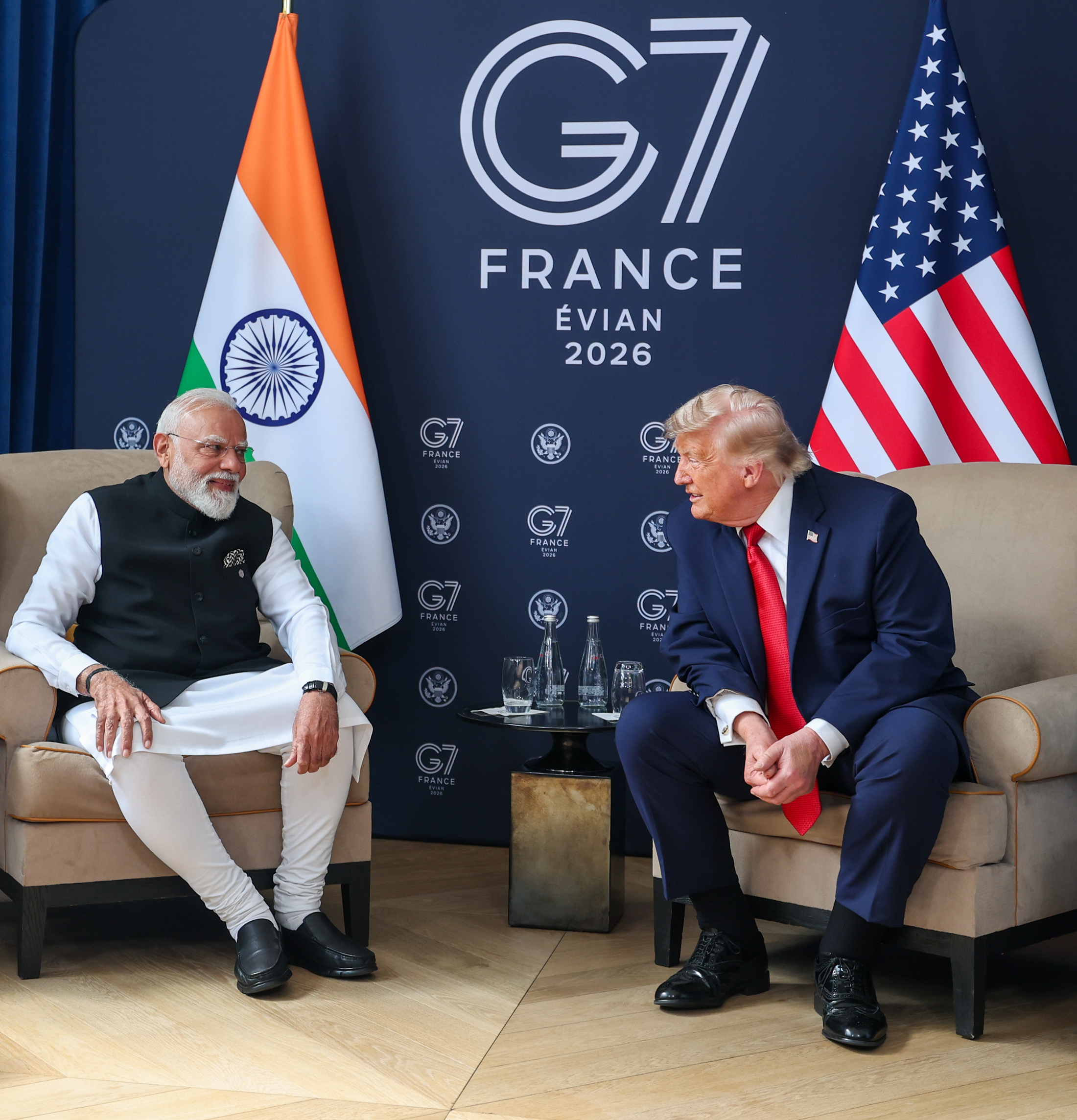

Seven months after Washington cut its tariff on Indian goods from 50% to 18%, the US House just voted to hand Donald Trump the power to undo that entirely. The House passed the Lindsey O. Graham Sanctioning Russia and Iran Act of 2026 on September 16 by 262 votes to 159, following the Senate’s 86-11 vote on August 7. The bill now goes to Trump’s desk, and it authorises tariffs of up to 100% on countries that keep buying large volumes of Russian oil and gas, with India named among those in scope.
The Tariff Whiplash, So Far
India’s US tariff rate has moved more in the past thirteen months than in the prior decade. In August 2025, Washington imposed a 25% reciprocal tariff on Indian goods, then stacked on another 25% specifically as a penalty for India’s Russian oil purchases, a combined 50% that made India the worst-performing major emerging market of 2025. On February 2, 2026, Trump cut that rate to 18%, crediting what he called friendship and respect for the Prime Minister. In exchange, India pledged to pull back from Russian crude and commit to more than $500 billion in purchases of US energy, technology and agricultural goods.
That pledge is the part that didn’t fully hold. Russia’s share of India’s crude imports did fall as low as 21.2% in January 2026. But by the fiscal year ending March 2026, Russian oil still made up roughly a third of everything India imported, and one March 2026 reading put Russian deliveries at close to half of India’s total crude intake for that stretch. The discount on Russian crude, and the difficulty of replacing that volume overnight, meant the August deal’s underlying premise, that India would meaningfully wean off Russian oil, was only ever partly true.
What the Bill Actually Does
The Act itself is a sanctions bill aimed at Russia’s energy sector, leadership and sanctions-evasion shipping. Its tariff provision is an authorisation, not an automatic tax, it gives the President the power to impose duties of up to 100% on major purchasers of Russian oil and gas, without forcing him to use it. Multiple reports on the House vote describe India, alongside China and several smaller economies including Turkiye, Hungary and the UAE, as specifically identified within the bill’s scope for that power.
The bill still needs Trump’s signature to become law. Even then, whether, when and at what rate he actually applies a new tariff on India is a separate decision the legislation leaves entirely to him, the same discretion that let him cut the rate to 18% in February after imposing 50% the previous August.
| Date | US tariff position on India |
|---|---|
| August 2025 | 25% reciprocal tariff plus 25% Russian-oil penalty, 50% combined |
| February 2, 2026 | Cut to 18%, tied to India’s pledge to reduce Russian oil purchases |
| August 7, 2026 | US Senate passes Sanctioning Russia and Iran Act, 86-11 |
| September 16, 2026 | US House passes the Act, 262-159, India named among countries in scope for up to 100% tariffs |
| Now | Bill awaits Trump’s signature; any new tariff rate on India is his discretionary call |
Why This Matters Beyond Washington
A swing back toward 50%, let alone 100%, would land on an economy that’s already dealing with a weak currency and expensive crude. The rupee broke past 95 to the dollar earlier this month, a live rate is on IndiaRealTime’s INR to USD tracker, and Brent crude has been back above $100, both of which make Russian oil’s discount more attractive to Indian refiners even as it’s the exact reason Washington keeps threatening tariffs over it. Domestic petrol and diesel prices haven’t moved yet, IndiaRealTime’s fuel price tracker for all 34 states and union territories is the place to watch if that changes. A higher US tariff bill would squeeze Indian exporters right as the currency and fuel cost pressures are already working against them.
It also lands in the middle of an active market week. NSE’s own IPO opened for bidding on September 17 at a Rs 1,700-1,785 price band, and how India-US trade tension plays out over the coming weeks is exactly the kind of macro risk that shows up in how that listing, and the wider market, trades. Live levels are on IndiaRealTime’s stock market page.
Frequently Asked Questions
Did the US just impose a 100% tariff on India?
No. The bill Congress passed authorises the President to impose tariffs up to 100% on major buyers of Russian oil and gas, including India. It does not itself set India’s tariff at 100%, and Trump still has to decide whether to use that authority once the bill is signed into law.
What is India’s US tariff rate right now?
18%, the rate Trump set on February 2, 2026, down from the 50% combined rate that applied through most of late 2025. That 18% rate has not been changed by this week’s House vote.
Why is India being targeted over Russian oil specifically?
Because India remains one of the largest buyers of discounted Russian crude, roughly a third of its oil imports for the fiscal year ending March 2026 came from Russia, despite a February pledge to reduce that share.
Key Takeaways
- The US House passed the Sanctioning Russia and Iran Act on September 16, 262-159, after the Senate passed it 86-11 on August 7. It now goes to Trump for signature.
- The bill authorises, but does not itself impose, tariffs up to 100% on major buyers of Russian oil and gas, with India named among the countries in scope.
- India’s tariff rate has already swung from 50% to 18% once this year, cut in February after India pledged to reduce Russian oil purchases, a pledge the import data only partly bore out.
- Russia still supplied roughly a third of India’s crude oil for the fiscal year ending March 2026, which is the specific fact this new bill is aimed at.
Sources
- Al Jazeera: Trump cuts India tariffs to 18% as Modi agrees to stop buying Russian oil
- The Tribune: US House set to vote on Russia sanctions bill naming India for possible 100% tariffs
- Business Today: US House passes bill clearing path for 100% tariffs on India, China
- ThePrint: Russian crude never left India’s import mix, made up a third of oil imports from 2024 to 2026

Want more like this?
Explore India Real Time →