India's Chip Mission Has Rs 1.64 Lakh Crore Approved
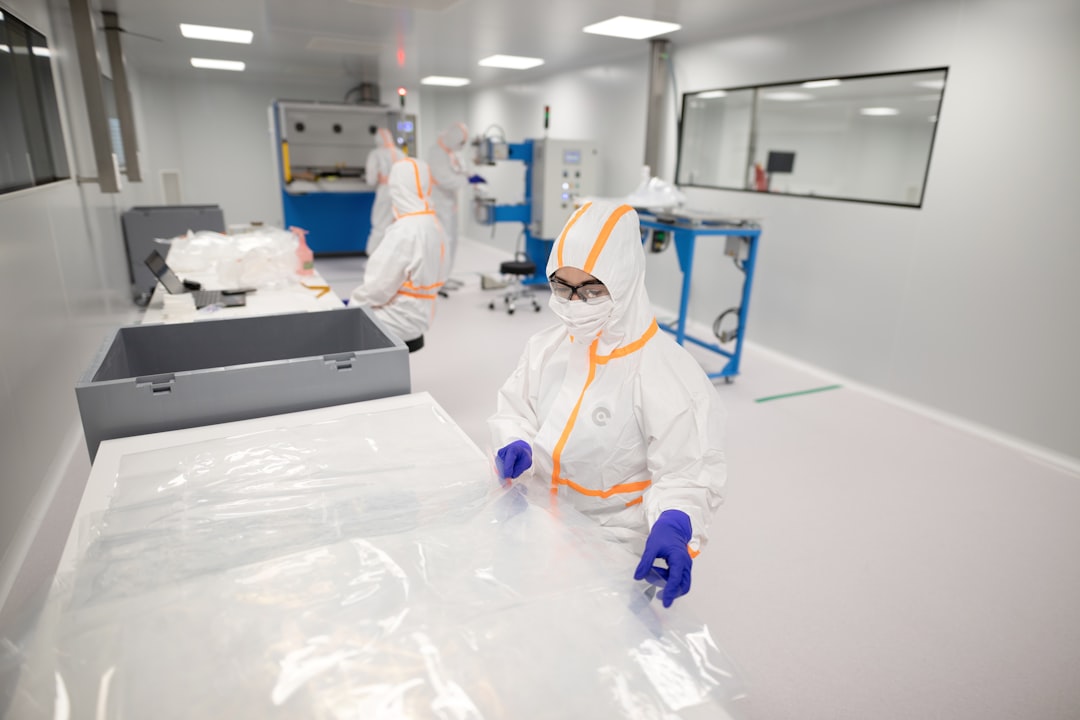
Narendra Modi spent his 76th birthday inaugurating a semiconductor conference, and the numbers behind it are more interesting than the conference itself. Semicon India 2026 opened at Yashobhoomi in Delhi on September 17, drawing more than 600 companies from 52 countries. Behind the ribbon-cutting is a genuinely concrete industrial programme: 12 semiconductor projects approved with combined investment commitments of roughly Rs 1.64 lakh crore, and the first chip fabricated entirely on Indian soil due by December.
What’s Actually Been Approved So Far
As of December 2025, 10 semiconductor projects across 6 states had been approved under the India Semiconductor Mission, worth about Rs 1.60 lakh crore combined. By May 2026, that had grown to 12 approved projects and roughly Rs 1.64 lakh crore. The list spans silicon fabrication, compound semiconductor and silicon carbide fabs, advanced and memory packaging plants, and assembly and testing facilities. Two of them, run by Micron and Kaynes, are already in commercial production, though on the packaging and testing side rather than fabricating raw silicon.
The One Project That Actually Changes the Story
Every prior electronics push in India has mostly meant assembling or packaging chips made elsewhere. Tata Electronics’ fab in Dholera, Gujarat, built with Taiwan’s PSMC, is different: it is India’s first plant meant to fabricate silicon itself rather than package an imported wafer. The project is worth Rs 91,526 crore, targeting 50,000 wafer starts a month on a 28-nanometre process, and Tata has said it is aiming for its first chip off that line in December. That single number, whether a chip actually comes off an Indian production line before the year ends, is a better test of the mission’s progress than any conference attendance figure.
The Money Behind the Mission
The original India Semiconductor Mission carries a Rs 76,000 crore incentive outlay, covering up to 50% fiscal support for silicon fabs, compound semiconductor facilities, assembly and testing units, and chip design. On July 15, 2026, the Union Cabinet approved a second phase, India Semiconductor Mission 2.0, with a Rs 1.27 lakh crore outlay, nearly double the original commitment, aimed at deepening the ecosystem rather than just adding more fabs.
| Date | Milestone |
|---|---|
| Original ISM launch | Rs 76,000 crore incentive outlay approved, up to 50% fiscal support for fabs |
| December 2025 | 10 projects approved across 6 states, Rs 1.60 lakh crore combined investment |
| May 5, 2026 | 12 projects approved, Rs 1.64 lakh crore cumulative investment |
| July 15, 2026 | Union Cabinet approves ISM 2.0, Rs 1.27 lakh crore outlay |
| September 17, 2026 | Semicon India 2026 opens in Delhi; Tata’s Dholera fab targets its first chip in December |
How Big Is India Actually Trying to Get
At Semicon India 2026, the government’s own framing was that India’s semiconductor demand should grow from $100 billion to $200 billion. Independent industry estimates are considerably more conservative, the India Electronics and Semiconductor Association and most market research firms project the domestic market crossing somewhere between $100 billion and $130 billion by 2030, well short of the government’s $200 billion figure. Both numbers can be true at once, one measures where analysts think the market is headed on current trends, the other is the target the mission is designed to pull the market toward, but the gap between them is worth knowing rather than repeating either figure as settled fact.
Alongside the fabs, the government says it wants to support at least 200 startups and companies designing chips in India, and to train 1 lakh engineering students specifically for the semiconductor industry, the workforce side of a plan that otherwise gets measured almost entirely in crores of committed capital.
Why This Matters Beyond the Conference Hall
This isn’t happening in isolation. It lands days after the US House passed a bill threatening India with tariffs up to 100% over Russian oil purchases, a reminder of exactly the kind of import dependency a domestic chip industry is meant to reduce over time, even if semiconductors and crude oil sit in very different categories of that problem. Several NSE-listed companies with semiconductor exposure, Tata Technologies, Tata Elxsi and CG Power among them, moved on the Semicon India news this week, a live reminder that IndiaRealTime’s stock market page tracks in real time. And in a week when NSE’s own IPO opened for bidding and the rupee has been trading near record lows, a genuine reduction in India’s electronics import bill is one of the few levers that improves the current account without depending on anyone else’s policy decisions, a live rate for that currency exposure is on our INR to USD tracker.
Frequently Asked Questions
Does India make its own chips yet?
Not commercially, yet. Existing operational plants like Micron and Kaynes package and test chips fabricated elsewhere. Tata Electronics’ Dholera fab is targeting India’s first domestically fabricated chip in December 2026.
How much has India committed to its semiconductor mission?
Rs 76,000 crore under the original India Semiconductor Mission, plus a further Rs 1.27 lakh crore approved in July 2026 under ISM 2.0. Separately, 12 approved private projects represent roughly Rs 1.64 lakh crore in investment commitments as of May 2026.
What is Semicon India 2026?
The fifth edition of India’s flagship semiconductor industry conference, held September 17 at Yashobhoomi in Delhi, bringing together more than 600 companies from 52 countries around the theme “Silicon to Systems, Building the Ecosystem.”
Key Takeaways
- 12 semiconductor projects are approved, worth roughly Rs 1.64 lakh crore, across 6 states as of May 2026.
- India’s first domestically fabricated chip is targeted for December 2026, from Tata Electronics’ Rs 91,526 crore Dholera fab, the first plant built to fabricate silicon rather than just package it.
- The government has committed Rs 76,000 crore plus a further Rs 1.27 lakh crore under two phases of the India Semiconductor Mission.
- The government’s $200 billion market target is well above independent analyst estimates of $100-130 billion by 2030, a real gap worth tracking rather than a settled number.
Sources

Want more like this?
Explore India Real Time →