Why Pitru Paksha 2026 Squeezes 16 Shraddha Days Into 15 Dates
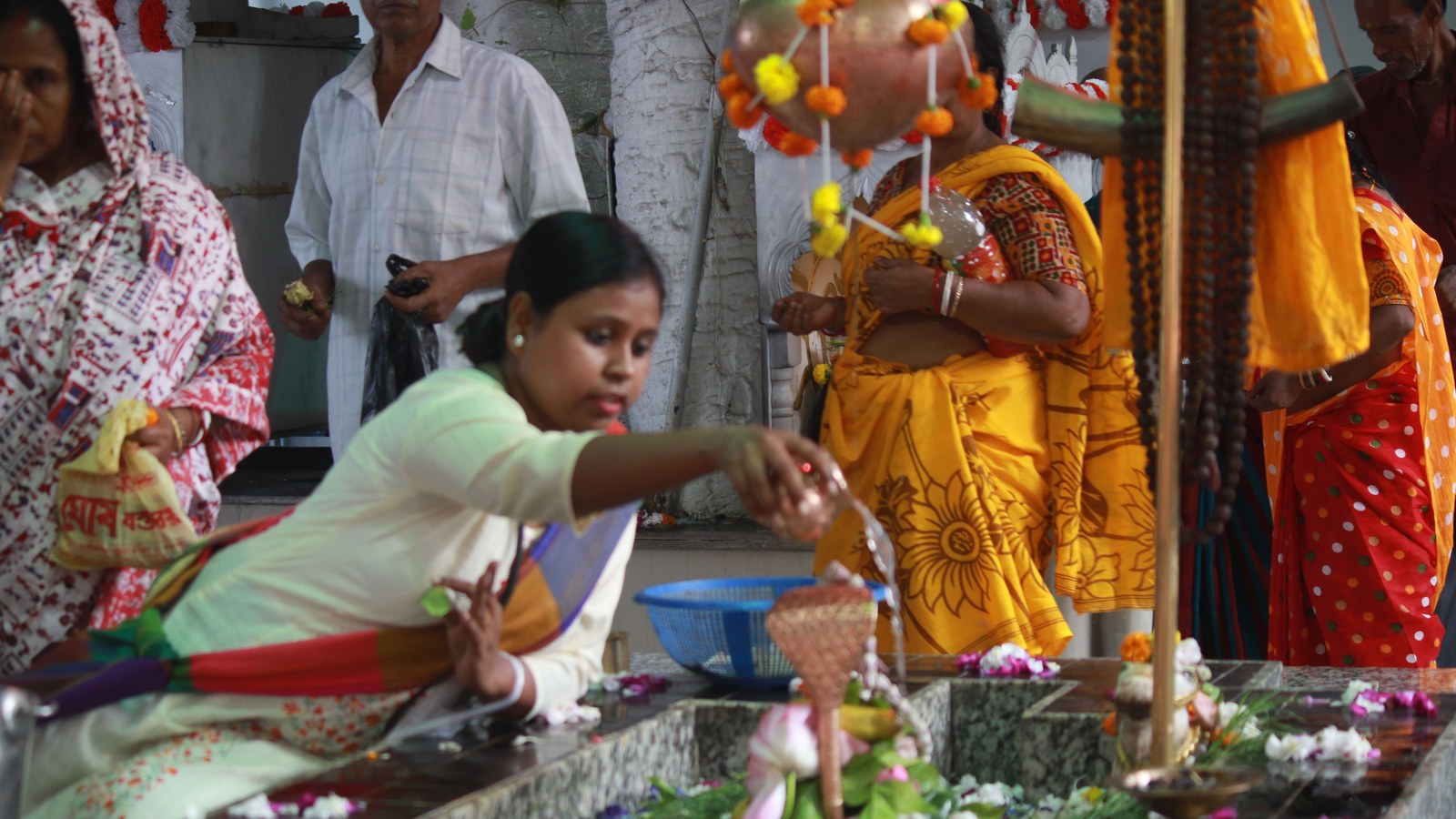

Pitru Paksha 2026 runs from September 26 to October 10, and this year’s 16-tithi Shraddha sequence actually lands on only 15 calendar dates, because September 30 carries two tithis at once. That is not a printing error in any one calendar. It is what happens when the lunar day used to fix a Shraddha date, the tithi, does not line up neatly with the 24-hour Gregorian day it is supposed to sit inside.
The Full Pitru Paksha 2026 Calendar
Pitru Paksha, the fortnight set aside for honouring ancestors, opened on September 26 with Purnima Shraddha and closes on October 10 with Sarva Pitru Amavasya. In between, every day carries the name of the tithi whose Shraddha is due that day, except one. Here is the full sequence for New Delhi.
| Date | Day | Shraddha Tithi |
|---|---|---|
| September 26 | Saturday | Purnima Shraddha |
| September 27 | Sunday | Pratipada Shraddha |
| September 28 | Monday | Dwitiya Shraddha |
| September 29 | Tuesday | Tritiya Shraddha |
| September 30 | Wednesday | Chaturthi Shraddha and Panchami Shraddha |
| October 1 | Thursday | Shashthi Shraddha |
| October 2 | Friday | Saptami Shraddha |
| October 3 | Saturday | Ashtami Shraddha |
| October 4 | Sunday | Navami Shraddha |
| October 5 | Monday | Dashami Shraddha |
| October 6 | Tuesday | Ekadashi Shraddha |
| October 7 | Wednesday | Dwadashi Shraddha |
| October 8 | Thursday | Trayodashi Shraddha |
| October 9 | Friday | Chaturdashi Shraddha |
| October 10 | Saturday | Sarva Pitru Amavasya |
Why the Date Isn’t Fixed to the Day Someone Died
A family doesn’t perform Shraddha on the Gregorian anniversary of a death. It performs it on the tithi, the lunar day, that the death fell on, wherever that tithi lands during this particular Pitru Paksha. Someone who died on an Ashtami, in any year, has their Shraddha every year on whichever date this table marks as Ashtami Shraddha, October 3 this time. That is also why the same family’s observance moves around the Gregorian calendar year after year even though nothing about the death itself has changed. If the exact tithi of death was never recorded or has been forgotten, tradition allows the Shraddha to default to the closing day, Sarva Pitru Amavasya, which is treated as valid for every ancestor regardless of which tithi they actually died on.
Why Two Tithis Landed on the Same Day This Year
A tithi is defined by the angular distance between the Moon and the Sun, and that distance does not reset at midnight. It can start partway through one Gregorian day and end partway through the next, which means a tithi’s length in clock hours varies and, occasionally, an entire tithi can begin and end within the span the calendar has already assigned to the day before or the day after it. Shraddha timing follows the tithi that prevails during Aparahna Kaal, the mid-afternoon window on the panchang, rather than the tithi at sunrise. This year, Chaturthi’s Aparahna Kaal and Panchami’s Aparahna Kaal both fall on September 30, so both Shraddhas are observed that day, and the 16-tithi sequence compresses onto 15 calendar dates instead of 16. It is a routine feature of a lunar calendar mapped onto a solar one, not a one-off anomaly, and it is exactly the kind of detail a daily panchang reading catches that a fixed date on a printed calendar cannot.
Mahalaya and the End of Pitru Paksha
October 10’s Sarva Pitru Amavasya carries a second name in eastern India: Mahalaya. In Bengal and Odisha in particular, the day is marked with pre-dawn tarpan at rivers and temple tanks, water offered to ancestors before the Moon transitions from Pitru Paksha into Devi Paksha, the fortnight leading up to Durga Puja. The same closing day that gives a family its last chance to perform an unremembered ancestor’s Shraddha also, in that regional tradition, marks the moment the goddess is considered to begin her journey to earth. Markandeya Purana, one of the scriptural sources cited for the practice, frames a satisfied ancestor as one who in turn blesses the household with health and prosperity, which is part of why the fortnight is observed carefully rather than treated as a single ritual day.
IndiaRealTime’s own daily panchang page and muhurat timings page track exactly this kind of tithi and Aparahna Kaal detail for any given day, which is the more reliable way to confirm a specific Shraddha date than working it out from a fixed printed table. Elsewhere on IndiaRealTime this week, central government employee groups have been pushing a very different kind of calendar question, over why a 2016 retiree’s pension looks nothing like a 2026 retiree’s, and markets coverage has been tracking what actually moved the Sensex the week NSE went public.
FAQs
What is Pitru Paksha?
A 16-day period on the Hindu lunisolar calendar set aside for Shraddha, rituals honouring deceased ancestors, running from the full moon of Bhadrapada to the new moon of Ashwina. In 2026 that is September 26 to October 10.
How do I know which day to perform Shraddha for my own family?
Match the tithi your ancestor died on to this year’s calendar above. If the exact tithi isn’t known, Sarva Pitru Amavasya on October 10 is the accepted fallback for any ancestor.
Why do Chaturthi and Panchami Shraddha both fall on September 30 this year?
Because both tithis’ Aparahna Kaal, the afternoon window that governs Shraddha timing, falls within that single Gregorian day, a routine outcome of mapping a lunar calendar onto a solar one.
What is Mahalaya?
The eastern Indian name for Sarva Pitru Amavasya, the last day of Pitru Paksha. In Bengal and Odisha it is marked with pre-dawn tarpan and treated as the moment Devi Paksha, the run-up to Durga Puja, begins.
Is Pitru Paksha considered inauspicious for other events?
Many families avoid weddings, housewarmings and other celebratory muhurats during the fortnight, though this is a regional and family custom rather than a uniform rule, and practices vary across India.
Sources
- DrikPanchang: Pitru Paksha Shraddha dates 2026
- DrikPanchang: Shraddha Tithi Calculator
- Wikipedia: Pitru Paksha
- Wikimedia Commons: An Early Morning Ritual During Mahalaya, Kolkata
Updated September 27, 2026.

Want more like this?
Explore Panchang & Culture →